Bread Trends Shaping Restaurant Dining in 2025
In a dynamic, ever-evolving culinary landscape, thoughtful bread choices have become a differentiator—where tradition meets innovation and regional identity joins forces with modern taste. As we head deeper into 2025, one unassuming hero is rising to power the plates of upscale eateries, neighborhood cafés, and bustling delis alike: artisan bread. And at the heart of this rise is Nino’s Bakery, a New Jersey-based powerhouse delivering quality and craftsmanship at scale.
For restaurants looking to succeed in an increasingly competitive dining marketplace, aligning with food trends is no longer optional—it’s vital. And bread, long considered a simple side or a vessel for more complex foods, is stepping firmly into the spotlight. That's because today’s diners demand more than just a bun or loaf. They demand stories, sourcing authenticity, and creations that do more than complete a dish—they elevate the dining experience itself. Whether it’s the crusty crackle of a country-style bastone or the soft indulgence of an olive-oil infused semolina roll, bread is now a culinary ambassador of the restaurant's brand and values.
So, why now? What is pushing chefs, foodservice buyers, and restaurateurs to reimagine this foundational staple? A confluence of factors—from the rise of artisan movements and better-informed consumers, to global flavor fusion and social dining trends—is converging to ignite a renaissance of bread in every aspect of menu engineering, plating design, and supply chain thinking. Bread has become a canvas—a representation of enterprise identity—and the leading venues are treating it as such. From exotic inclusions and sourdough innovations to hyper-regional flour sourcing, the artisanal approach has officially outgrown its niche. It is the new standard.
Why Bread Matters More Than Ever in 2025
Within fine dining, fast-casual concepts, hotel catering programs, and local eateries alike, bread no longer comes as an afterthought. Its role in establishing first impressions and enhancing core menu components has paved the way for elevated expectations from diners—and therefore, elevated sourcing expectations from chefs and buyers. A warm slice of ciabatta with dinner, a crusty seeded roll served on a cheeseburger, or even the aroma of fresh focaccia as a sandwich base—each contributes to experience, reputation, and ultimately, return visits.
What this means for procurement teams and restaurant decision makers is the need to find reliable, consistent, and innovation-forward suppliers. That's precisely where Nino’s Bakery comes into play. With a heritage rooted in artisanal Italian baking and a business model designed for high-volume distribution, Nino's brings extraordinary bread to establishments requiring both quality and dependability. Whether you run a Michelin-star restaurant or a local gourmet sandwich shop, aligning with a bakery that anticipates consumer trends is simply smart business in 2025.
The Intersection of Tradition and Innovation
One unique attribute that separates leading bakeries from their peers is the ability to uphold tradition while embracing innovation. At Nino’s, this philosophy is not symbolic—it’s operational. Using time-tested recipes, unbromated premium flours, and small-batch fermentation techniques, each product maintains an artisan touch. At the same time, Nino’s invests in scalable solutions to ensure that volume does not come at the expense of flavor, presentation, or freshness. Their product catalog features dozens of varieties tailored for both daily retail demand and custom restaurant needs.
This uniquely positions the brand to serve not only traditional Italian eateries, but also modern fusion bistros, event caterers, and health-forward establishments that want great bread without compromise. In 2025, businesses that embrace this duality—timelessness plus transformation—will be best equipped to meet client taste shifts head-on while preserving the soul of their culinary identity.
Setting the Table with Consumer Expectations
Today’s diners in 2025 come armed with more knowledge, curiosity, and culinary self-education than ever before. As food media and social platforms increasingly highlight regional grains, ancient baking techniques, and gluten-conscious alternatives, expectations have risen accordingly. Bread isn’t just expected to taste good—it’s expected to tell a story. Where was the wheat grown? Was it made from sourdough starter? Are there cultural references baked right into the loaf? This consumer insistence on transparency, flavor integrity, and creative storytelling has made bread a centerpiece of differentiation in the hospitality space.
Furthermore, diners now view bread as more than a side—it’s a shared experience. Think warm, pull-apart garlic knots before a family-style meal, or the photo-worthy look of a rustic seeded boule presented tableside. These moments emphasize connection, and restaurants that cater to them while partnering with skilled bakers capable of large-scale quality (like Nino’s) are winning in a crowded industry.
In essence, a restaurant’s bread program in 2025 is a branding tool. Where mass-produced, frozen loaves fall short, carefully made—even if wholesale—breads from artisan suppliers offer soul, savor, and story. It’s the difference between an expected detail and an unforgettable bite.
Looking Ahead with Nino’s: A Partner in Flavor, Function, and Form
The future of bread is flavorful, purposeful, and deeply regional. We're witnessing an intersection of nutrition science, culinary artistry, and logistical efficiency shaping the wholesale bread industry. For restaurant owners navigating this innovative, ingredient-forward economy, having a dependable supply partner like Nino’s Bakery positions you to respond to—and anticipate—evolving customer demand without sacrificing convenience or shelf appeal.
As you'll discover in the sections that follow, emerging trends such as the demand for regional flavors are not just consumer whims—they are reflections of broader cultural movements. Diners are craving a sense of connection to time, place, and flavor heritage through the foods they eat, especially bread. Whether that means incorporating loaves made from Jersey-grown grains or integrating classic Mediterranean touches into a ciabatta-roll sandwich program, Nino’s is already there. And with a track record of scalable artisan quality, the bakery is more than a supplier; it's a partner in your continued culinary evolution.
So before you plan your next seasonal menu or rethink your signature sandwich builds, ask yourself: Is your bread telling customers what your brand is truly about? Because in 2025, bread doesn’t just complement the meal—it defines it.
The Rise of Regional Bread Flavors in Restaurant Dining
As the restaurant landscape continues to evolve, diners are increasingly prioritizing authenticity, local roots, and storytelling in their dining experiences. One of the most fascinating outcomes of this trend has been the growing demand for regional bread flavors—those that are deeply embedded in cultural, geographical, and artisanal traditions. In 2025, restaurants and foodservice providers are finding that bread is no longer just a side item or delivery vehicle for other ingredients, but a culinary statement, representing heritage, craftsmanship, and quality.
This rising appreciation for distinctive flavors and textures has influenced bread offerings across a wide spectrum of menus, from the lunch counters of New Jersey delis to fine dining establishments embracing globally inspired tasting menus. For bakeries like Nino’s Bakery, rooted in Italian baking customs, this has opened up new avenues to showcase their signature style of breads to a broader and more bread-savvy clientele.
Italian-Style Breads: Crusty Classics Meet Modern Palates
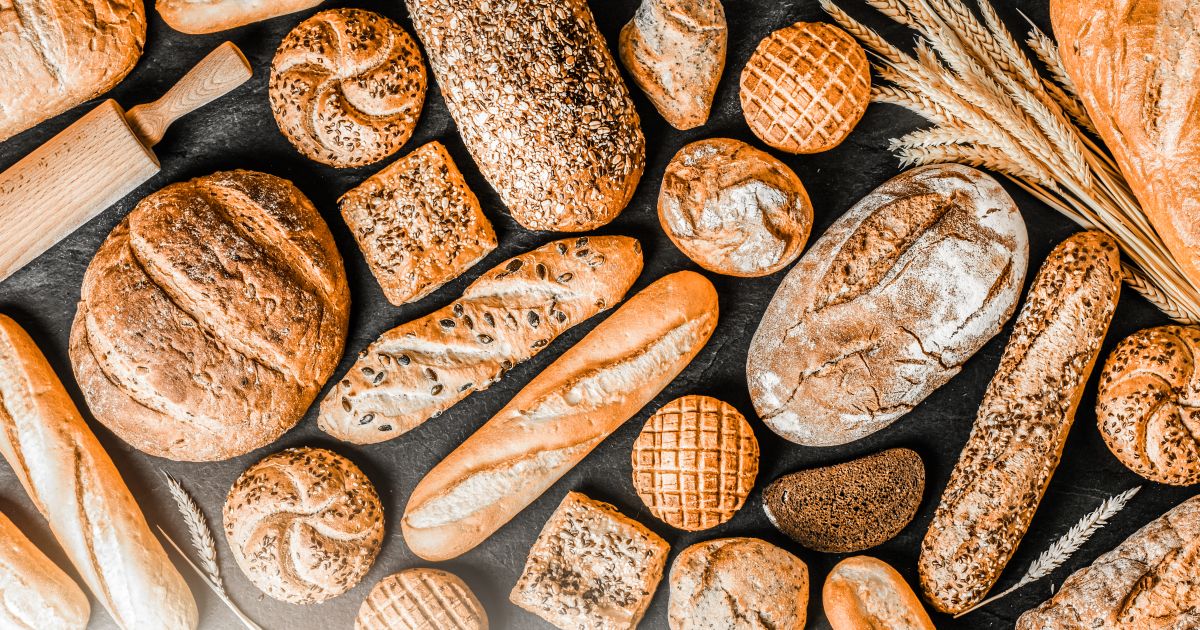
Italian artisanal breads have experienced a significant surge in popularity. These breads are celebrated not only for their bold and diverse flavor profiles but also for their ability to complement a wide range of cuisines and ingredients. Among the most requested by chefs and food buyers alike are:
- Ciabatta – With its airy, open crumb and slightly crisp crust, ciabatta is highly versatile. Its chewy texture pairs perfectly with cold cuts or olive oil dips and stands up well under the weight of premium sandwich ingredients.
- Sourdough Bastones – A traditional favorite that carries a complex tang from natural fermentation, perfect for toasting or as a base for bruschetta.
- Semolina Rolls – Made with golden semolina flour, these rolls boast a nutty flavor and hearty bite, becoming staples for elevated burger buns or rustic table rolls.
- Focaccia – Rich in olive oil and herbs, this flatbread adds depth and aroma to antipasti platters, open-faced sandwiches, and small plates.
Regional pride is becoming a defining element in menu development, and Italian breads—especially those made with time-honored techniques—fit seamlessly into this movement. With decades of baking heritage, Nino’s Bakery consistently produces these breads with traditional fermentation methods and unbromated flours, delivering on both authenticity and health-conscious appeal.
Bread-Centric Concepts Redefining Hospitality
Restaurant concepts are increasingly turning to bread as a centerpiece of the culinary experience. Local sourcing, hyper-regional ingredients, and thoughtfully prepared breads are taking the spotlight. From artisanal sandwich shops to upscale Italian eateries, chefs are showcasing breads like ciabatta or bastone loaves not merely as an accompaniment, but as integral to their overall flavor narrative.
This focus on bread has spurred new menu trends:
- Open-Faced Sandwich Menus - Influenced by European café culture, these menus heavily rely on good quality bread. Ciabatta and focaccia, with their bold crumb and crust, provide the perfect base for innovative toppings like burrata, roasted vegetables, and smoked meats.
- Bread Pairing Boards - Similar to charcuterie, these showcase a variety of artisan breads paired with dips, oils, and spreads that highlight the bread’s flavor nuances.
- Elevated Street Food - Gourmet paninis and sliders often incorporate rustic Italian rolls, elevating street food with artisanal quality and presentation.
Local bakeries like Nino’s are at the forefront of this trend, not only providing a reliable supply chain but also helping restaurants reimagine their offerings through premium, locally crafted bread products. You can explore their full selection of wholesale bread solutions in the online catalog here.
Meeting the Demand for Local Authenticity and Culinary Roots
One reason regional bread styles have such staying power is that they help tell a story—of a region, of a food culture, of a specific artisan approach. As diners seek greater trust and transparency in their food choices, many restaurants are highlighting their use of locally sourced bread from trusted names like Nino’s.
This reflects a broader industry trend where differentiation and provenance matter. In 2025, it’s no longer just about flavor; it’s about the narrative behind the flavor. Sourcing a rustic focaccia from a neighborhood bakery with a 20-year heritage in West Long Branch, New Jersey, means offering diners a taste of history, of craftsmanship, and of place.
Some real-world advantages that regional bread flavors bring to foodservice operations include:
- Customer Loyalty: Guests often ask for locally sourced breads by name, creating repeat business and word-of-mouth buzz.
- Distinct Menu Identity: Signature breads can become a hallmark of a particular establishment, setting it apart in competitive dining environments.
- Storytelling and Marketing: Highlighting local bread sources in menus and social media allows restaurants to build emotional connection and brand depth.
Enabling Customization and Flexibility for Diverse Menus
One of the key advantages of working with a bakery like Nino’s is the degree of customization and consistency they offer clients. As restaurants cater to more diverse dietary needs and tweak their menus to reflect changing demand, the flexibility of regional artisan breads becomes a major value-add.
Nino’s can deliver on this promise thanks to a streamlined production process and a solid infrastructure designed for reliable wholesale partnerships. Whether you're sourcing semolina dinner rolls for a 300-person wedding, crusty ciabatta for a gastro-pub sandwich board, or bastones for a gourmet food truck, consistent quality and timely delivery are key differentiators that build trust over time.
As we look further into 2025 and beyond, this surge in demand for regional and traditional bread styles shows no signs of slowing down. And for businesses aiming to stay ahead of the palate curve, it pays to find a bread supplier that understands not only the craft of baking but also the shifting dynamics of customer expectations and culinary heritage.
Up next, we explore how these regional bread trends tie into another major concern for modern restaurateurs and bakery clients alike: sustainability. From ingredient sourcing to packaging and food waste, environmentally conscious baking practices are quickly moving from optional to essential. Stay tuned.
The Rise of Sustainability in Bread Production
As we look ahead to 2025, sustainability is taking center stage in the restaurant industry — and bread, a cornerstone of the dining experience, is no exception. Consumer preferences are shifting, and both diners and foodservice operators are placing increasing value on ethically sourced, environmentally conscious ingredients. For restaurants aiming to stay relevant and respected, prioritizing sustainability in their bread sourcing and bakery partnerships is not just a trend — it’s a necessity.
Why Sustainability Matters to Today’s Diners
Today’s diners are more informed than ever before, and they’re bringing their values to the table — literally. According to recent industry surveys, a significant proportion of consumers actively seek out dining establishments that emphasize sustainable practices, including minimizing food waste, reducing carbon emissions, and supporting local economies through partnerships with regional suppliers. When restaurants source bread from local artisan bakeries like Nino’s Bakery in West Long Branch, NJ, they send a clear message: sustainability, traceability, and community matter.
Unlike mass-produced bread that may travel hundreds (if not thousands) of miles to reach its destination, locally baked bread supports environmental stewardship by cutting down on transportation emissions and packaging waste. Additionally, many local bakeries, including Nino’s, use unbromated flours, heritage techniques, and streamlined supply chains that support sustainability at every level — from oven to table.
Local Sourcing and the Eco-Conscious Diner
Eco-conscious diners are no longer a niche audience. They represent a growing segment of the market, especially among Millennials and Gen Z consumers who value transparency and ethical supply chains. For restaurants, this means that the provenance of their ingredients — including bread — is part of the dining narrative. Bread is often the first or last thing a customer tastes during their meal, making it an ideal opportunity to make a lasting impression with a sustainability-forward story.
Nino’s Bakery is an excellent example of a partner that meets these modern expectations. As a local wholesale artisan bakery, Nino’s not only delivers fresh, daily-made products, but does so with an understanding of regional specificity. This cuts down on logistical strain, fosters consistent quality, and supports the community economy. For restaurant owners, this translates to a product that’s baked with both care and conscience.
- Reduced Carbon Footprint – Local deliveries minimize the environmental impact of long-haul shipping.
- Less Packaging Waste – Shorter supply chains allow for customized delivery methods with less disposable packaging.
- Support for Local Agriculture – Many artisan bakeries work with farms and mills in their area, creating a more sustainable food ecosystem.
- Increased Transparency – Partnerships with community-based bakeries give restaurants clearer access to ingredient sourcing information.
Sustainability in Baking Practices
Modern artisan bakeries are not only focusing on sustainable ingredient sourcing but also innovating in their baking processes to reduce waste and energy use. At Nino’s Bakery, for example, the use of traditional batch baking techniques allows for precise inventory management, minimizing overproduction and discarded product. Their streamlined operations mean that both retail and wholesale customers receive bread that is baked fresh to order, reducing the risk of spoilage.
Another growing area of environmental consideration is the avoidance of additives like bromates and chemical dough conditioners, commonly found in mass-produced bread. These not only raise health and environmental concerns but also compromise flavor and texture. Nino’s commitment to using unbromated flours speaks to a larger philosophy of artisan care and ecological responsibility, offering clean-label bread that aligns with consumer demand for transparency and simplicity.
How Restaurants Can Communicate Their Sustainable Sourcing
While implementing sustainable bread sourcing is important, effectively communicating this choice to diners is just as critical. Here are several strategies for restaurants looking to highlight their eco-conscious bread partnerships:
- Menu Mentions – Include the name of your bakery partner (e.g., “Fresh Italian bread from Nino’s Bakery” or “Locally sourced artisan loaves”) in menu descriptions.
- Table Talkers and QR Menus – Use small in-restaurant displays to share your sourcing story, possibly linking to your bakery partner’s website or sustainability page.
- Social Media Storytelling – Platforms like Instagram and Facebook offer valuable real estate for highlighting your relationship with local artisans.
- Train Staff for Storytelling – When waitstaff and servers can speak authentically about ingredient sourcing, it builds diner trust and connection.
Ultimately, sustainability isn’t a passing phase — it’s a fundamental shift in consumer values and business practices. Bread may seem like a humble component of a larger meal, but its impact on your brand’s sustainability narrative is significant. Choosing to partner with a bakery like Nino’s helps align your restaurant with today’s environmentally aware customers while supporting craftsmanship that’s better for people and planet.
A Natural Lead-In to Creative Menu Integration
As you begin to reassess your sourcing priorities with sustainability in mind, it becomes easier to see how this mindset connects directly to creativity in menu development. When the bread is fresher, cleaner, and more flavorful, it opens the door to innovative dishes that both surprise and satisfy guests. From signature sandwich offerings to artisanal bread pairings, the next evolution of foodservice menus begins where sustainable bread sourcing meets creative culinary expression. In the next section, we’ll explore how restaurants are integrating artisan breads into their menus in bold and imaginative ways.
Creative Menu Integration: How Bread is Reinventing the Appetizer Experience
In 2025, the role of bread in restaurant menus is undergoing a flavorful transformation. No longer confined to the complimentary bread basket or side dish, artisan bread is becoming the star of the plate—especially in appetizer courses. Restaurants around the country are taking bold culinary leaps, incorporating fresh-baked breads in inventive ways that delight customers, boost check averages, and differentiate their brand identity. At Nino’s Bakery, we’re seeing more chefs turn to our Italian-style loaves and rolls as core ingredients in their appetizer innovations—leveraging quality, texture, and tradition to drive guest satisfaction and trend-forward menus.
Artisan Bread as a Canvas for Elevated Flavors
One of the major trends influencing appetizer design is the idea of simplification—letting quality ingredients speak for themselves. In this vein, artisan bread becomes more than a vessel—it’s a hero. Crusty bastones, sourdough rounds, and ciabatta slices provide a rustic, hearty base for creative toppings such as whipped ricotta with hot honey, marinated local veggies with balsamic glaze, or house-made compound butters infused with garlic confit and herbs.
Chefs are building small plates around one high-impact slice of bread, creating a balanced interaction between crispy crusts and indulgent spreads. Not only does this elevate the eating experience, but it transforms the perception of bread from a passive carb into a culinary centerpiece.
Trending Appetizer Concepts Featuring Artisan Bread
Restaurants are responding to evolving consumer tastes, including higher demand for plant-forward dishes, sustainable sourcing, and unique global flavors. Bread-forward appetizers address many of these desires by offering versatility, shareability, and visual appeal. Here are some standout ideas Nino’s customers have been implementing:
- Bruschetta Flights: Restaurants are offering tasting boards featuring crusty Italian bread topped with seasonal ingredients—think heirloom tomato with burrata, charred peaches with feta and mint, or roasted mushrooms with truffle oil. Nino’s bastone loaves offer the perfect base with their hearty chew and crisp edges.
- Sandwich Bites: Miniature versions of full-size sandwiches served on slider rolls or cut ciabatta pieces make for irresistible shareable starters. These are popular in gastropubs and upscale casual settings where variety drives engagement.
- Flatbread-Style Pizzettas: Utilizing elongated ciabatta or focaccia slices, chefs create open-faced starters topped with pesto, cured meats, artisan cheeses, and pickled vegetables. The appeal? They're easy to prep, easy to plate, and highly profitable.
- Savory Bread Puddings & Skillets: A reimagining of comfort food classics with contemporary flair—dense, cubed bread folded into rich custards, roasted vegetables, or sausage and baked in mini cast irons. Our unbromated white sandwich bread or rustic Italian rounds absorb flavor beautifully, creating a rich appetizer presentation.
- Toasted 'Dipper Duos': Roasted garlic ciabatta strips or thinly sliced bastone toast served with paired dips such as beet hummus and tzatziki, whipped goat cheese and harissa oil, or warm artichoke and lemon cream. A simple but interactive table share experience.
Redefining First Impressions: Bread as a Brand Differentiator
Menus are working harder than ever to lure repeat visits, and first impressions are key. Where generic crackers or house chips once lived, artisan bread is stepping in as a powerful tool of branding. Diners remember that first bite—and if that bite is a crusty Nino’s Bakery focaccia topped with caramelized onion and fontina, the experience feels more bespoke, high-value, and dedicated to craft.
Even simple options like a rotating daily crostini or house-toasted croutons on starter salads reinforce a culinary identity that’s rooted in fresh baking. And for restaurants participating in hyperlocal sourcing movements, proudly stating that "Bread by Nino’s Bakery" adds authentic credibility. Our longstanding presence in West Long Branch, New Jersey, and our commitment to traditional baking methods make us a well-aligned partner for establishments looking to tell that story.
Operational Versatility Yielding Better Margins
Creative integration of bread into appetizers isn’t just a win on the flavor front—it’s also a smart cost control strategy. Artisan bread is a low-cost, high-impact base that can elevate leftovers (imagine yesterday's roast chicken turned into a pulled meat crostini) and allow kitchens to minimize waste with a menu item that's texturally compelling—even when using "day-old" techniques like toasting or cubing.
This kind of food cost efficiency resonates particularly well for caterers and banquet facilities. Bulk orders of fresh-baked slider rolls or cocktail-sized loaves from Nino’s can be portioned as needed, thawed to demand, and toasted on the fly. For creative stations or passed hors d’oeuvres, our team assists chefs in selecting the right products through our detailed product catalog, helping maintain consistency across events.
Stay Ahead of the Curve with Nino’s Bakery
The appetite for innovation isn’t slowing down—and neither should your menu. With consumers seeking memorable dining experiences and chefs putting their stamp on early-course offerings, bread-forward appetizers provide an unmatched canvas for creativity. Artisan breads can tell a story, set a tone, and maximize your menu impact—if you choose the right partner to supply them.
At Nino’s Bakery, we embrace this evolution. Our fresh-baked Italian rolls, rustic loaves, and customizable options offer chefs a trustworthy foundation to push the boundaries of taste and imagination. Whether you're plating a rustic crostini with imported olives or designing a 5-star mushroom toast with black garlic aioli, we’re here to support your concept with consistency, flavor, and flair.
As restaurants lean into 2025, artisan breads continue to lead the charge in setting creative, craveable menus apart. Don’t be left behind.
Nino’s artisan breads keep restaurants on-trend in 2025. Partner with us to lead the way! Read more about Restaurant Business Trends.
Staying Ahead: How Nino’s Bakery Helps Restaurants Lead the Bread Trends of 2025
As 2025 approaches, it’s becoming more evident that bread is no longer just a side item—it’s a cornerstone of the modern dining experience. From creatively plated sourdoughs that tell a story to customizable sandwich rolls that cater to dietary awareness, artisan bread is revolutionizing foodservice. For restaurants, cafés, hotels, and other culinary establishments seeking to differentiate themselves in a competitive marketplace, sourcing the right bread is both a strategic necessity and a branding opportunity. Nino’s Bakery, based in West Long Branch, NJ, has positioned itself as the driving force behind this transformation.
Why does this matter? Because the restaurant business is evolving. Diners are more educated, selective, and interested in authenticity. Ingredients like unbromated flour, slow fermentation processes, and crusty artisan loaves are no longer limited to niche fine dining—they're making their way into fast-casual menus, rustic delis, and grab-and-go coffee shop menus.
Artisan Bread: Not Just a Trend—A New Standard
What makes artisan bread such a powerful component in 2025’s restaurant trends is its versatility and quality. At Nino’s Bakery, our entire baking philosophy centers around maintaining the art of traditional Italian baking while scaling it to meet the increasing needs of foodservice businesses throughout New Jersey and beyond. Restaurants that partner with Nino’s are able to:
- Deliver superior dining experiences through fresh, varied bread offerings—each loaf or roll baked daily using premium, unbromated flour and time-honored techniques.
- Support local and sustainable supply chains while maintaining consistency for commercial-scale usage.
- Respond rapidly to emerging food trends by selecting from a diverse bread catalog from bastones and ciabattas to focaccias and sandwich rolls, allowing menus to stay flexible and interesting.
- Convey authenticity on their menus—whether it’s a neighborhood deli referencing Italian heritage or a fusion restaurant looking to add texture and depth with quality bread bases.
In 2025, expectations around food presentation and mouthfeel are amplified by social media, heightened culinary awareness, and a demand for cleaner labels. Restaurants that don’t adapt risk becoming irrelevant. Fortunately, integrating seasonal, custom, or signature breads into a menu using Nino’s offerings ensures that foodservice businesses stay dynamic and customer-focused.
The Strategic Advantage of a Wholesale Bakery Partner
Restaurants moving into the next era of foodservice need more than just a good product—they need consistency, dependability, and alignment with their culinary goals. That’s where the wholesale capabilities of Nino’s Bakery come into play.
Unlike many small bakeries that struggle to deliver at scale, or large commercial providers that sacrifice quality for quantity, Nino’s combines artisan values with operational maturity. Our bakery was built to handle high-volume orders without compromising traditions passed down through generations of Italian bakers. With a dedicated fleet and streamlined production systems, we help ensure that your breads arrive fresh, on time, and exactly as expected. This reliability is crucial for establishments that depend on timely deliveries and consistent ingredient performance, especially during peak service hours or special events.
Need to deliver 500 sandwich rolls for a lunch catering event? No problem. Looking to introduce a limited-run rustic sourdough on your seasonal menu? We’ll help. Want guidance on which products would best complement your dining concept or customer demographic? Our team is not just a vendor—we’re consultants, collaborators, and partners in your restaurant’s success story.
Lead the Future of Dining With Nino’s
The good news for restaurants today is that the bread revolution is still in its early stages. While many establishments are only beginning to recognize the role bread plays in branding, customer satisfaction, and menu distinction, Nino’s Bakery has already been thinking ahead.
We’re not just keeping pace with bread trends—we’re helping to shape them. Our focus on quality and innovation means we’re constantly experimenting, refining, and leveraging feedback from our loyal customer base across the foodservice spectrum. As industry influencers highlight emerging restaurant business trends, from authenticity and sustainability to personalization and regionalism, our bakery is ready and equipped to meet these demands with unmatched excellence.
Restaurant owners and F&B managers have a unique opportunity in 2025 to experiment with their menus and elevate their bread offerings. Swapping out generic rolls for flavorful, golden-crusty ciabattas or introducing hearty rustic loaves as shareable appetizers can transform your guest experience overnight. Every table that gets served a superior piece of artisan bread increases the likelihood of return visits, word-of-mouth praise, and even social mentions that drive digital engagement.
Let’s Grow Together
Our customers aren’t just buying bread—they’re building a brand reputation, strengthening menu identity, and committing to quality. When you work with Nino’s, you join dozens of respected restaurants, cafes, and foodservice providers across New Jersey who rely on us for daily deliveries, consistent excellence, and a proactive, service-first mindset.
If you're ready to step into the future of bread-forward dining, we invite you to explore our full catalog. Discover products that align with not just your food needs, but also your values and branding aspirations. High-volume or boutique, contemporary or traditional—we can help.
Let’s lead the artisan bread movement together. Let’s make 2025 the year your guests remember for that perfect crust, tender crumb, and unforgettable aroma that only a handmade loaf can offer.
Partner with Nino’s Bakery and Stay on-Trend in 2025!
Ready to future-proof your menu? Let’s talk about how our artisan recipes and modern processes can become the cornerstone of your restaurant’s elevation story.