How to Reduce Bread Waste in Your Restaurant
If you've ever ended a busy dinner service by tossing a tray of uneaten bread into the bin, you're not alone — but you're also not powerless. Bread waste is a quiet profit killer in many food establishments, from bustling Italian restaurants to trendy urban cafés. The good news is that with a shift in kitchen habits, sourcing strategies, and a partnership with artisan bakeries like Nino’s Bakery, there's a better way forward.
At Nino’s Bakery, we bake with purpose. We believe that exceptional bread should never be disposable — and from our perspective as a wholesale artisan bakery in West Long Branch, New Jersey, we know that reducing bread waste not only helps your bottom line but supports sustainability, builds customer trust, and reinforces a culture of quality. Whether you’re running a boutique café in Asbury Park or managing inventory for a catering operation in Red Bank, controlling bread waste isn’t just about minimizing loss; it’s about maximizing flavor, consistency, and guest experience.
Why Bread Waste Deserves Your Attention
Bread is one of the most commonly wasted food items in the foodservice industry. Soft rolls that dry out, crusty loaves that lose texture, or unsold pieces discarded at the end of service—these all contribute to waste that quickly adds up in dollars and operational inefficiency. According to the USDA, food waste in commercial kitchens costs U.S. businesses billions of dollars annually, and baked goods are often near the top of that list. But the issue goes deeper than dollars and cents.
Much of the waste comes down to a mismatch between ordering volume and real-time demand, inadequate storage techniques, and relying on bread that simply doesn’t hold up during the day. That’s where choosing the right bakery — one that understands the commercial kitchen workflow and produces consistent, restaurant-ready product — becomes a powerful element of waste reduction.
Nino’s Bakery supports New Jersey eateries in solving this problem holistically. By leveraging our daily production, fine-tuned for consistent texture and moisture retention, your team can serve bread that stays fresher, longer — reducing leftovers and allowing you to reimagine how bread fits into your overall menu strategy. From bulk crusty Italian rolls to softer sandwich-ready focaccia, we help you get the perfect product in the right quantity, right when you need it.
The Hidden Cost of Bread Waste
For restaurants and cafes that serve bread regularly — as part of a table service, sandwich options, small plates, or even as a component of menu presentation — waste tends to occur in smaller but deadly increments. Think of a scenario where, per night, fifty customers each leave half a roll untouched. That’s 25 pieces of bread down the drain — compounded by 30 days, that’s 750 pieces wasted. Multiply that by the cost of raw ingredients, staff needed to prep, store, and serve, and the disposal process — it all adds up. And that’s not even accounting for missed profit opportunities where that bread could have been repurposed or replaced with a more efficient format.
But waste isn’t just physical and financial; it impacts your brand. Today’s consumers are increasingly concerned about sustainability and conscious sourcing. Many diners feel disenchanted when they witness food tossed out carelessly — and in a competitive industry, restaurants that show mindfulness in kitchen operations can rise to the top of diners’ preferences. A revised bread strategy doesn’t just eliminate a line item — it creates a story you can share with guests, investors, and community partners alike.
Bread That Lasts – And Serves More than One Purpose
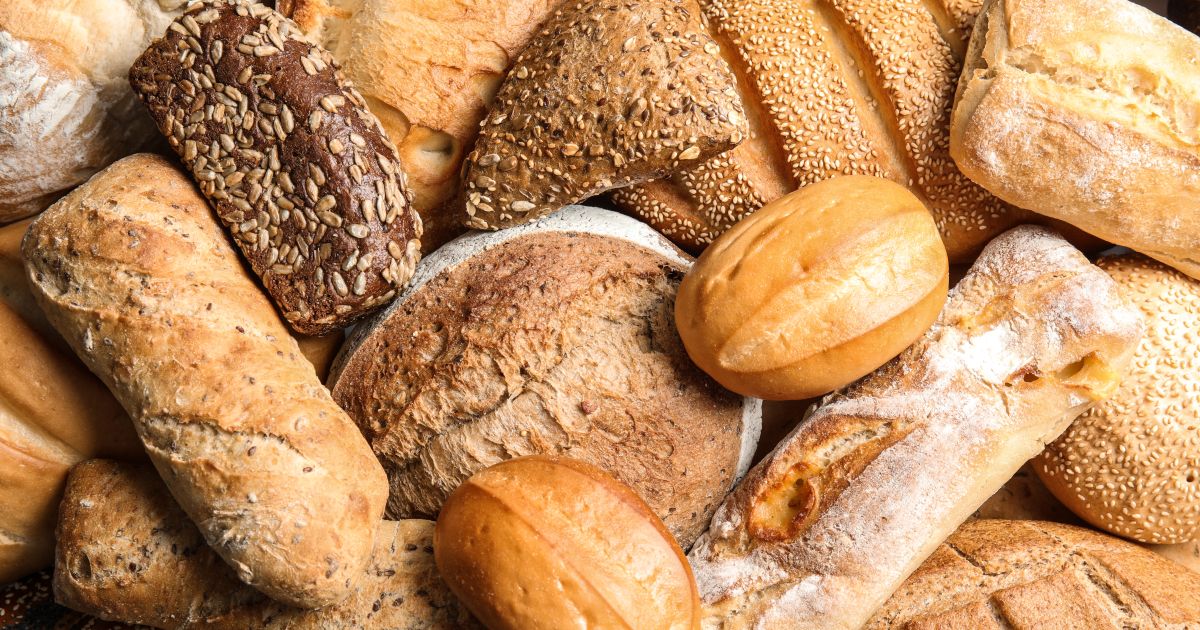
One of the top ways to reduce waste at the source is to invest in bread that is designed to retain taste and texture over time. At Nino’s Bakery, we use unbromated premium flours and time-tested fermentation techniques which help keep our bread fresher for longer. Our crusty bastones, tender hoagie rolls, and dense sandwich loaves are all engineered with both taste and durability in mind — meaning they hold up to a busy lunch rush or extended prep windows without quickly going stale.
These long-lasting properties open the door to creative, multi-use bread applications. A roll served with lunch service doesn’t have to be tossed if unused — it can be re-grilled and repurposed for toast points, turned into crunchy homemade croutons, or incorporated into stuffing or side specials. Thinking about bread as a versatile ingredient rather than a one-and-done product gives your kitchen much more flexibility to use every ounce of value out of what you bring in. And when that bread is consistent in size, freshness, and density, your kitchen can plan with confidence.
Consistency is Efficiency
Waste often results from unpredictability. When each loaf is slightly too large, too undercooked, or too crusty for a specific application, guesswork creeps in. Chefs hedge their prep. Front-of-house staff overcompensates. Extras are baked, held, and eventually tossed. But this is where working with a dedicated wholesale supplier makes an enormous difference.
Nino’s Bakery is committed to delivering artisan bread with commercial-grade reliability. Our wholesale clients, ranging from delis to luxury catering outfits, repeatedly cite our dependable product performance as a key differentiator. That means your kitchen is making prep and ordering decisions with confidence — ultimately ordering less, using more, and wasting less in the process.
We also offer options designed for specific uses or space requirements. For instance, our Italian-style dinner rolls come in standard sizes ideal for plating or bulk baskets. Our sandwich loaves boast sturdy slices that withstand sauces and fillings without becoming soggy — eliminating the need for multiple bread SKUs or overbuying backups for fear of quality degradation. With smart sourcing and a little menu engineering, you’ll start to see excess inventory drop and daily use increase in parallel.
Smart Sourcing Leads to Smart Systems
Reducing bread waste isn’t about cutting corners. It’s about highlighting efficiency, syncing your operations with vendors who understand culinary flow, and adopting habits that serve both customer experience and sustainability. From a regional bakery like Nino’s, you gain the responsiveness of a local partner and the experience of a seasoned wholesale bakery that knows how to meet demand without excess.
We invite foodservice professionals across central New Jersey to reconsider how bread fits into their waste reduction and profitability strategies. By implementing precise ordering, selecting longer-lasting bread, training staff on repurposing tactics, and using consistent products from a reliable source like Nino’s Bakery, you can downsize landfill contribution while leveling up customer satisfaction and operational harmony.
Ready to take the next step? Learn how to fine-tune your ordering process, collaborate with a bakery that’s built for efficiency, and start turning every loaf into a win — read on to discover how to:
Order Smart with Nino’s
Order Smart with Nino’s: Smarter Sourcing for Less Waste
When it comes to running a successful restaurant, efficiency in ingredient sourcing is just as important as creativity in the kitchen. One of the most common – and costly – issues foodservice operators face is bread waste. Whether it’s loaves going stale before they’re used or surplus rolls being discarded at the end of the day, wasted bread is wasted money. Fortunately, there’s a smarter way to source and serve bread that drastically reduces that loss. That’s where partnering with Nino’s Bakery makes a critical difference.
At Nino’s Bakery, we understand that managing inventory in a high-paced kitchen environment requires flexibility, predictability, and quality. That’s why we offer our wholesale partners tailored order plans designed to cut down on excess, lower costs, and enhance freshness. Our goal is not only to supply you with artisan-quality breads and rolls, but also to become an integral part of a smarter, more sustainable foodservice ecosystem.
Flexible Order Sizes for Daily Needs
One of the most effective ways to reduce waste is to align your bread orders with your day-to-day operational needs. Over-ordering may seem like a safer bet, especially during busy seasons, but consistent overstocking leads to stale products and unnecessary disposal. With Nino’s Bakery, you’re not locked into one-size-fits-all cases or weekly pallet deliveries that don’t reflect your actual traffic.
Instead, we work with each business to determine the optimal quantity and frequency of delivery that ensures freshness without the overflow. Whether you need 30 rolls daily for lunch rushes or a few dozen loaves a few times a week, our wholesale model adapts to your business rhythm.
- Predictable Deliveries: Our streamlined fulfillment ensures your bread arrives at consistent times, allowing you to plan food prep accordingly.
- Low Minimums: With reduced minimum order requirements, you can stock the perfect amount for the day—enough to satisfy guests, not overwhelm storage.
- Daily Fresh Bakes: All of our products are baked fresh each day using premium unbromated flours and traditional methods, providing longer shelf life and enhanced flavor profiles.
This level of order customization empowers your team to respond dynamically to demand fluctuations. Got a big event on Saturday? We'll boost your order. Slowing down midweek? We’ll scale it back. It’s supply chain collaboration that respects your workflow—and your food cost concerns.
Order Tailored Quantities, Not Guesswork
At Nino’s, we believe that great bread should be abundant on plates—not in dumpsters. That’s why we take a consultative approach to wholesale ordering. Our bakery can advise you on ideal quantities based on your customer volume, menu types, and service model. We help you forecast high and low periods, align orders with promotions or seating capacity, and make informed choices that favor both your guests’ experience and your bottom line.
For example, a fast-casual deli may experience heavy foot traffic in the early afternoon, while a fine dining restaurant may require smaller but higher-quality products for evening service. Both establishments have very different bread needs, and a standard bulk delivery won’t suit either perfectly. With Nino’s attentiveness and versatility, you can input precise orders ranging between individual loaves, sandwich rolls, bastones, or even specialty products like ciabatta or focaccia.
We also provide deep insight into portion strategies, usage trends, and seasonal adjustments—so you're not forced to guesstimate. Choose from our extensive catalog to build a bread program that mirrors your pace of business, not the bakery’s production limitations.
Minimize Staleness Through Frequent Deliveries
The longer bread sits in storage, the faster it stales—especially without artificial preservatives. With Nino’s, that becomes a non-issue because we bake and deliver multiple times per week or even daily to clients throughout New Jersey. Our proximity in West Long Branch means we can provide local restaurants and retailers with ultra-fresh, minimally handled bread within hours of being pulled from the oven.
This freshness plays a key role in reducing waste. Fresh bread performs better, tastes better, and stores better on-premises. Instead of padding your pantry with extra inventory “just in case,” you can rest easy knowing fresh-baked replacements are always on the way.
- Shorter delivery routes = lower wait times and carbon footprint.
- Bread arrives near peak proof and bake time, locking in texture and aroma.
- Frequent deliveries remove the guesswork from usage planning.
Enhancing Sustainability and Profitability Together
Waste reduction isn’t just a financial imperative—it’s an environmental one. According to the USDA, food waste accounts for over 30% of the food supply chain, and a sizable part of that comes from bakery goods. By partnering with a smarter supplier like Nino’s, you're actively reducing your restaurant’s footprint. Every loaf that doesn’t go uneaten is a loaf that didn’t need to be grown, baked, packaged, or transported unnecessarily.
It’s often the small decisions—like choosing a responsive baking partner—that have the biggest cumulative impact. At Nino’s Bakery, we’re proud to serve as a locally based, waste-conscious bakery helping chefs and managers across New Jersey not just streamline their kitchen operations, but actively improve them.
Learn more about our mission to support sustainable, high-quality bread service on our About Us page, or reach out to explore wholesale opportunities designed with your specific needs in mind.
From Smart Orders to Smart Menus
Once you’ve optimized your sourcing strategies, it’s time to focus on the back of house. Reducing waste isn’t just about how much you order—it’s also about how you use it. With the right mindset and menu techniques, leftover bread doesn’t have to be discarded at all. In fact, it can be transformed into high-margin menu items your customers will love. That brings us to our next essential strategy in reducing bread waste: Creative Menu Planning.
Creative Menu Planning: Reducing Bread Waste Starts in the Kitchen
In the fast-paced world of foodservice, minimizing food waste isn’t just an added bonus—it’s a critical component of running an efficient and profitable kitchen. One of the most commonly overlooked contributors to waste? Bread. Whether it’s the end pieces of sandwich loaves, yesterday’s rolls, or unsold artisan ciabatta, bread waste can pile up quickly. Yet, with creative planning and a bit of culinary ingenuity, those leftover loaves can become valuable ingredients that enhance your menu offerings while protecting your bottom line.
At Nino’s Bakery, we see firsthand how our clients transform daily deliveries of fresh Italian-style bread into signature dishes. Creative menu planning isn’t just about variety—it’s about strategy. It’s about finding multiple uses for every piece of bread that comes through your door, stretching your food costs further without compromising on taste or quality. Let’s explore how your restaurant, café, or catering operation can build a smarter, more sustainable menu centered around bread reuse.
Rethink Bread as a Menu Asset
Instead of viewing day-old bread as a liability, start thinking of it as a multifunctional culinary resource. Artisan breads like ciabatta, bastone, and focaccia—particularly when made with quality ingredients like premium unbromated flours, as we use at Nino’s—retain structural integrity and flavor even after their first day. This makes them ideal candidates for transformation into new dishes.
- Soups and Starters: Turn bastone crumbs into hearty thickening agents for classic Italian soups such as Ribollita or Pappa al Pomodoro. These soups not only offer comforting, rustic flavors but can be built entirely with leftover ingredients.
- Appetizer Boards: Slice focaccia into bite-sized portions, lightly toast, and pair with olive tapenade, roasted peppers, and fresh mozzarella for an artisan bread platter. Simple, elegant—and a total use of product that otherwise may be discarded.
- Pantry Specials: Feature a daily or weekly menu item coined the “Baker’s Bounty”—a chef’s special that utilizes baked goods from the previous day. It’s a creative solution that also tells a story about sustainability and craftsmanship.
Repurpose Ciabatta into Croutons, Bread Crumbs, and Beyond
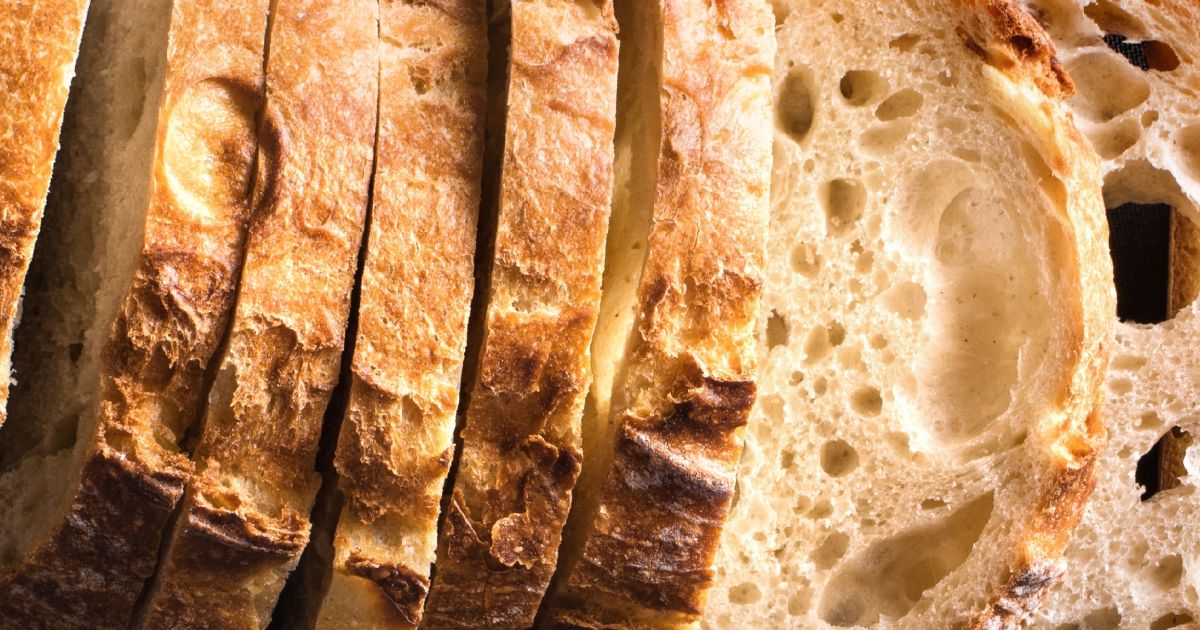
Let’s take ciabatta—a classic, crusty Italian bread known for its airy interior—as a prime example of bread that’s perfect for repurposing. Packed with flavor and built with a sturdy structure, ciabatta can evolve from sandwich-ready slices into a range of versatile components with ease.
- Croutons for Salads: Cut ciabatta into cubes, toss with herbed oil, and toast until golden brown. The result? Rich, crunchy croutons that add texture and a burst of flavor to Caesar salads, panzanella, and seasonal specials.
- Bread Pudding (Savory or Sweet): Blend day-old ciabatta with custard and layer with seasonal vegetables or cheeses for a brunch-friendly egg strata—one that makes the most of your pantry staples while still feeling indulgent.
- Housemade Bread Crumbs: Dry out ciabatta scraps and pulse them into coarse or fine crumbs. These can be seasoned and reserved for future use in gratins, stuffing, or as a crispy garnish for pasta or seafood entrees.
These solutions allow kitchens to operate with less waste while increasing the perceived value of their offerings. Customers notice when each ingredient feels thoughtfully prepared. They value businesses that make sustainability part of their story—even if it’s delivered through something as everyday as a crouton.
Design Flexible Menu Items That Adapt
Restaurants that build flex space into their menus are more successful at adapting to inventory changes—especially when that inventory involves fresh-baked bread with a short shelf life. Offering flexible, rotational or customizable dishes is a powerful way to use bread products that would otherwise go stale.
- Design-Your-Own Paninis: Let customers choose from a range of breads, fillings, and cheeses. This format helps use up yesterday’s focaccia or ciabatta while appealing to modern diners who look for customization.
- Rotating Soup-and-Bread Combos: Offer a daily soup rotation paired with slightly older bread, grilled and brushed with olive oil. Position it as a value-driven combo that highlights in-house baked goods.
- Market-Inspired Menus: For hospitality venues or caterers, menu sections labeled as “market-inspired” or “chef’s choice” provide a built-in expectation of change. This gives chefs the liberty to work with surplus bread based on availability.
Educate Your Team—And Get Creative Together
One of the most overlooked solutions to bread waste is internal collaboration. Your kitchen team is filled with creative, problem-solving individuals who can help you reduce waste if given the tools and incentives. Make sustainability a topic in staff meetings or pre-shift lineups. Ask your team for ideas on using leftover bread. Create small competitions or features that celebrate creative reuse.
Consider providing easy reference guides that show how to handle, store, and repurpose different types of bakery items. You can also work with your supplier—like our team at Nino’s Bakery—to understand the shelf life and optimal uses of each bread variety in your rotation. Clear communication reduces confusion, boosts morale, and fosters a kitchen culture that’s as efficient as it is inventive.
Make Bread Reuse Part of the Brand Experience
Modern diners increasingly care about where their food comes from—and how it’s made. When your restaurant takes thoughtful steps to reduce waste, don’t be afraid to share that story. Add a note to your menu section or tabletop signage that spotlights your sustainable practices. Something as simple as “Our croutons are made in-house from fresh, artisan ciabatta delivered daily by Nino’s Bakery” turns a standard side salad into a conversation starter.
This type of brand storytelling does more than build loyalty—it turns your kitchen’s effort toward sustainability into a valued part of the dining experience. And for retail buyers or wholesale partners researching suppliers, it signals a commitment to quality and responsible sourcing.
The Bigger Picture
Reducing bread waste through creative menu planning is one of the simplest and most rewarding changes foodservice establishments can implement. And it starts with adjustments that enhance the culinary experience, not detract from it. By thinking beyond traditional uses and encouraging a spirit of innovation in your kitchen, you not only save on costs—you elevate your offerings and tell a richer brand story.
In the next section, we’ll dive into Storage Best Practices—because even the most creative menu can’t compensate for poor bread handling. Learn how proper storage techniques help retain bread freshness, prepare your bakery inventory for extended usability, and further minimize waste in your foodservice operation.
Storage Best Practices to Reduce Bread Waste
Whether you manage a bustling restaurant kitchen, operate a busy sandwich shop, or oversee a catering operation, bread waste can be a quiet drain on both your costs and your commitment to quality. One of the most effective ways to combat waste is to get serious about proper bread storage. The way your restaurant stores artisan bread can spell the difference between a product that adds flavor and distinction to your offerings, and one that gets discarded prematurely.
At Nino’s Bakery, we pride ourselves on creating Italian-inspired artisan breads that not only perform beautifully in the kitchen but also hold up to the rigors of commercial service. Our clients value consistency—and that starts with how bread is handled after delivery. Let’s walk through the storage practices that can help your establishment stretch every loaf further, preserve product integrity longer, and get the most value from your bread procurement.
1. Keep Bread in Cool, Dry Conditions
This is the golden rule of bread storage. Bread is a naturally moisture-sensitive product; too little humidity and it becomes stale and hard. Too much, and you risk mold, sogginess, or flavor degradation. The sweet spot? A cool, dry place—ideally between 60–72°F (16–22°C), away from direct sunlight, steam lines, or refrigeration units that may create hot spots or excess condensation.
Understanding this simple environmental requirement dramatically increases the shelf life of artisan breads—especially those made with premium unbromated flours like those used at Nino’s. Ideally, breads should be stored in well-ventilated, covered bins or breadboxes that allow some air circulation without overexposing loaves to ambient conditions.
2. Avoid Refrigeration for Short-Term Storage
It’s counterintuitive, but refrigerating bread can actually increase staling. The starches in bread crystallize faster at refrigerator temperatures, which hardens the crumb and speeds the aging process. Unless your operation experiences uniquely high humidity or you’re trying to extend shelf life several days beyond typical expectations, avoid putting bread in the fridge.
Instead, rotate your stocks daily to ensure the most recently baked products are used only after older loaves or rolls are served. Implementing FIFO (First-In, First-Out) procedures helps extend freshness without over-relying on refrigeration or other interventions that compromise texture and aroma.
3. Freeze for Longer-Term Holding
Freezing bread isn’t just acceptable—it’s often encouraged in restaurant environments where forecasting exact demand can be tricky. The key is to freeze bread properly. Wrap loaves tightly in plastic or store them in resealable bags with as much air removed as possible. For best results, slice bread before freezing so you can thaw only what you need.
Thaw frozen bread at room temperature inside its wrapping to minimize moisture loss and avoid sudden texture shifts. Artisan breads like the ciabatta, bastones, and semolina loaves available at Nino’s freeze especially well due to their lower moisture content and rustic crumb structure.
4. Handle Humidity with Care
Humidity is a double-edged sword. In dry climates, crusty breads lose their crunch fast. In humid kitchens, soft sandwich rolls can absorb moisture and become soggy. If you operate in environments with fluctuating humidity—such as near dishwashing stations, hotlines, or steam trays—consider relocating your bread storage area further from these zones.
Use breathable linen bread bags or large paper sacks for crusty loaves and crust-preserving packaging for rolls. Individually wrapping high-end table loaves in parchment paper can offer an additional barrier to unpredictable humidity while keeping presentation attractive for table service.
5. Train Staff on Proper Storage Protocols
Bread waste often stems from misunderstanding or lack of procedure. Ensure kitchen and service teams understand how to store and rotate bread properly. Post signage near storage areas with storage guidelines and use labeled bins (e.g., "Use Today," "Frozen Backup") to create visual cues for freshness and inventory control.
Slicing bread only upon order not only enhances presentation but also extends internal moisture and texture. And don’t forget to document the name of the bread provider and delivery timestamps—knowing your products come from reliable suppliers like Nino’s Bakery builds a stronger organizational respect for the quality and care embedded in each crumb.
6. Know Your Bread's Shelf Life
Different breads have different lifespans. Baguettes should be consumed within a day or two, while denser whole grain loaves may last up to five days when stored properly. Understanding these details empowers restaurant managers to make smarter purchasing decisions and instruct staff on appropriate usage timelines. At Nino’s, our artisan breads are designed for maximum performance and flavor during service windows, with production schedules that help strike the right balance between freshness, flexibility, and inventory turnover.
Keep a visual inventory of your daily bread orders. Use a whiteboard or tracking app to monitor incoming deliveries and align them with anticipated traffic patterns. This approach takes the guesswork out of re-order schedules, ensuring you're neither over-supplied nor underprepared.
As you can see, thoughtful storage practices are an essential part of reducing bread waste and protecting your bottom line. But even the best techniques work best when paired with consistent, high-quality products that are baked for performance.
That’s why Nino’s artisan breads are trusted across New Jersey’s restaurant and hospitality scene. With every delivery, our clients receive bread that handles well, holds flavor, and maintains structural integrity across storage, prep, and service. Contact us today to discuss how our tailored wholesale programs can help you cut waste while elevating your culinary experience.
Conclusion: Quality, Not Quantity—How Nino’s Bakery Helps Minimize Waste Without Compromising on Excellence
Reducing food waste in your restaurant isn’t only good for the environment—it’s good for your bottom line. And when applied strategically to one of the most common sources of unseen loss—bread waste—the benefits quickly add up. From stale rolls and unsliced loaves to portions that consistently go uneaten, bread can become a silent profit-drainer. But here’s the good news: working with the right wholesale bakery partner can shift that paradigm from loss to leverage.
At Nino’s Bakery, we understand the delicate balance restaurants must maintain between high-volume prep and high-quality presentation. We know that fresh, artisan bread is a must—whether it's used as a table starter, sandwich foundation, or gourmet platform for menu innovation. But we also understand that nothing stings more than tossing unsold loaves at the end of service. That’s why our entire operation is designed to support your business in minimizing waste while enhancing your food offering.
Custom Order Sizes for Precise Planning
Instead of forcing your kitchen into one-size-fits-all baking schedules, Nino’s works with you to fine-tune your orders. Whether you need rolls in exact batch counts, or a specific combination of baguettes, bastones, and ciabattas, our full catalog allows you to build the inventory that mirrors your diners’ preferences. This means fewer leftovers and less temptation to over-order “just in case.”
Plus, because we specialize in high-volume operations with next-day, fresh-from-the-oven delivery across the region, you can order smaller, more frequent batches based on actual demand instead of guesswork. That’s inventory agility at work—ensuring that the bread you have on hand meets your needs without bloating storage or spoilage.
Extended Freshness & Superior Crust Retention
Not all breads hold up the same, and much of the waste we’ve seen in kitchens has less to do with over-ordering and more to do with underwhelming performance. Dry, fast-fading loaves that crumble or disintegrate by mid-service turn into garbage before they hit the table. Nino’s artisan loaves, however, are crafted using traditional fermentation techniques that lock in flavor and retain optimal moisture levels throughout the day.
Leveraging unbromated flours and time-tested methods, our breads maintain their structure even when held under heat lamps or sliced for later use. With more usable life per loaf, your kitchen team gets more flexibility, while your customers continue to enjoy consistently excellent dishes.
Smarter Bread Rotation & Training Tips
Partnering with Nino’s also means gaining access to our decades of experience in bread handling and storage. We work with restaurants, cafés, and hospitality firms to improve bread rotation protocols and recommend product-fit options to reduce yield loss.
- Need a roll that holds for catering platters without going stale? We can guide you to the right style.
- Looking to refresh a day-old loaf as part of a bread pudding or crouton selection? We’ll help you implement that workflow.
- Uncertain if a smaller format sourdough would better suit your menu? Let’s pilot it.
No more flying blind—our wholesale insights are personalized to your operation size and food preparation style. This targeted approach ensures that bread doesn’t become the most discarded line item in your kitchen.
Boosting Brand Perception with Artisan Simplicity
Remember: artisan bread does more than feed—it communicates quality. Diners notice the crust, the aroma, and the subtle chew of a carefully fermented loaf. Replacing it with a mass-market option may help short-term overheads, but usually won’t deliver the same guest satisfaction—or justification for premium pricing.
By minimizing costs through smarter ordering rather than lower-quality ingredients, you preserve your menu’s reputation. This is where Nino’s adds value you won’t get from a basic distributor or low-bid bread vendor. We balance economics and excellence, so you don’t have to compromise on either.
Partner With a Bakery That Understands Your Kitchen
Ultimately, cutting bread waste while maintaining quality boils down to one key strategy: finding a wholesale partner who listens, delivers, and adapts. At Nino’s Bakery in West Long Branch, New Jersey, we’ve built our reputation on consistency, flexibility, and craftsmanship.
We’re proud to provide:
- Flexible delivery schedules tailored to usage cycles
- Fresh-baked inventory that aligns with actual demand
- High-moisture, traditional recipes that last longer in service
- Menu consultation and product pairing
So whether you run a casual bistro, a high-volume deli, or a hospitality group with rotating menus, Nino’s is here to help you reduce waste without reducing standards. It's time to move from reactive overstocking to proactive planning—paired with product excellence you and your staff can be proud to serve.
Contact us to optimize your wholesale bread orders and discover how a thoughtful partnership can turn your bread program into a profit driver—not a cost center.
Nino’s Bakery: Where artisan baking meets reliable service—one loaf at a time.